



The care sector has always faced unique challenges when it comes to recruitment. High turnover, skills shortages, and increasing demand for services have made attracting and retaining talent more complex than ever. But in 2025, the ground is shifting even faster. Jobseekers’ expectations are changing, and understanding these new behaviours is key to staying competitive in a talent market where every application matters.
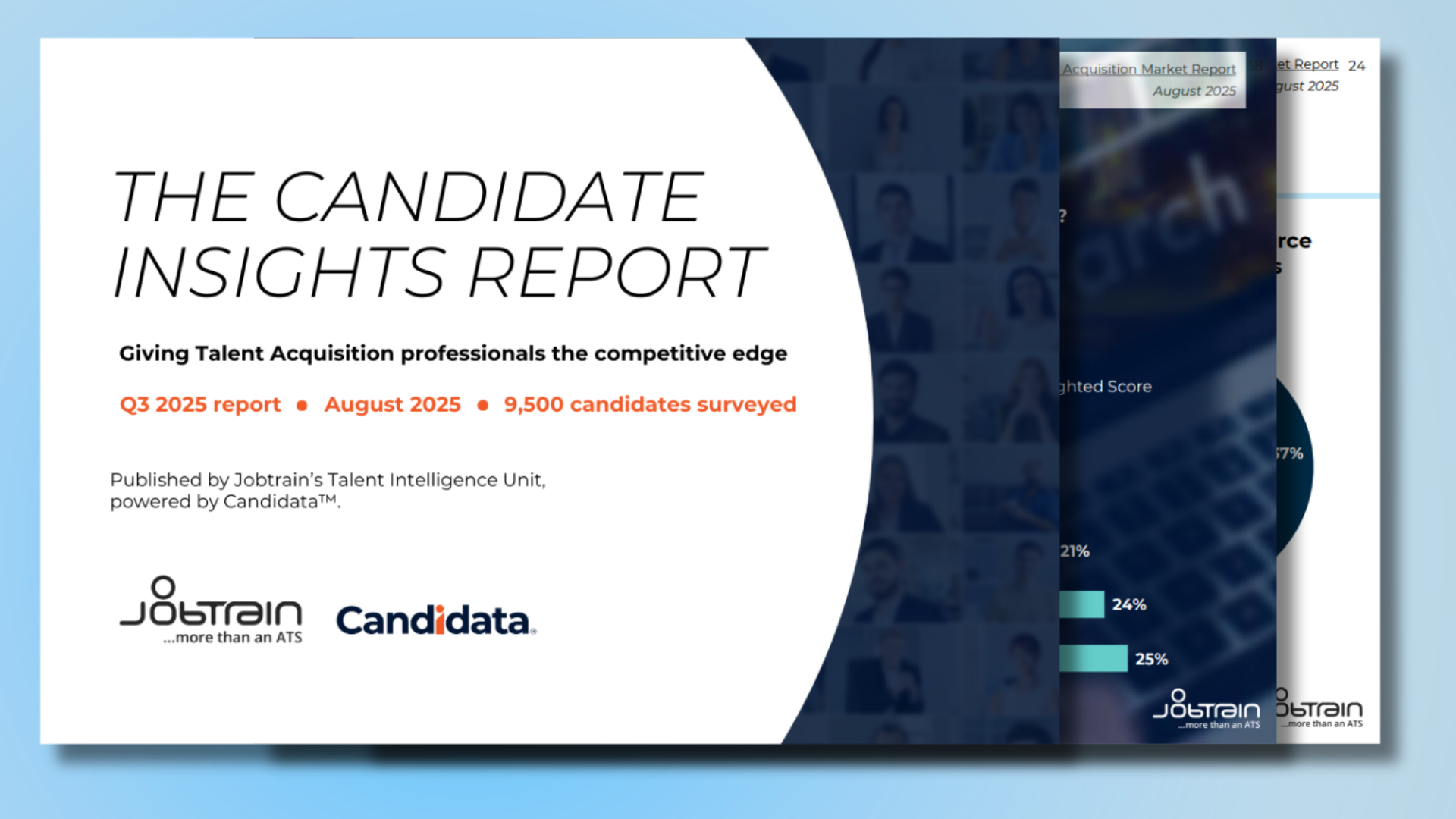
That’s why we produced the Candidate Insights Market Report (Q3 2025)—a deep dive into the latest jobseeker trends across the UK. For hiring managers and recruiters in care, these findings offer a vital lens into how candidate expectations are evolving and what strategies will make the biggest difference in recruitment campaigns.
You can download the full report here:
Candidate Insights Market Report.
In this article, we’ll explore the highlights most relevant to care recruitment—covering application behaviour, salary expectations, flexible working, and the rise of values-driven decision-making.
Jobseekers are applying faster—but care must keep pace
One of the most striking findings in our report is that candidates are moving quickly. Over 70% of jobseekers now apply for roles within 48 hours of finding them. That’s a dramatic shift from even two years ago, when candidates tended to browse, compare, and return later.
For care providers, this means:
- Speed matters: if your application process is long or clunky, candidates are likely to abandon it.
- Job ads must be compelling immediately: a vague or uninspiring advert risks losing applicants to competitors who communicate the role and its benefits clearly.
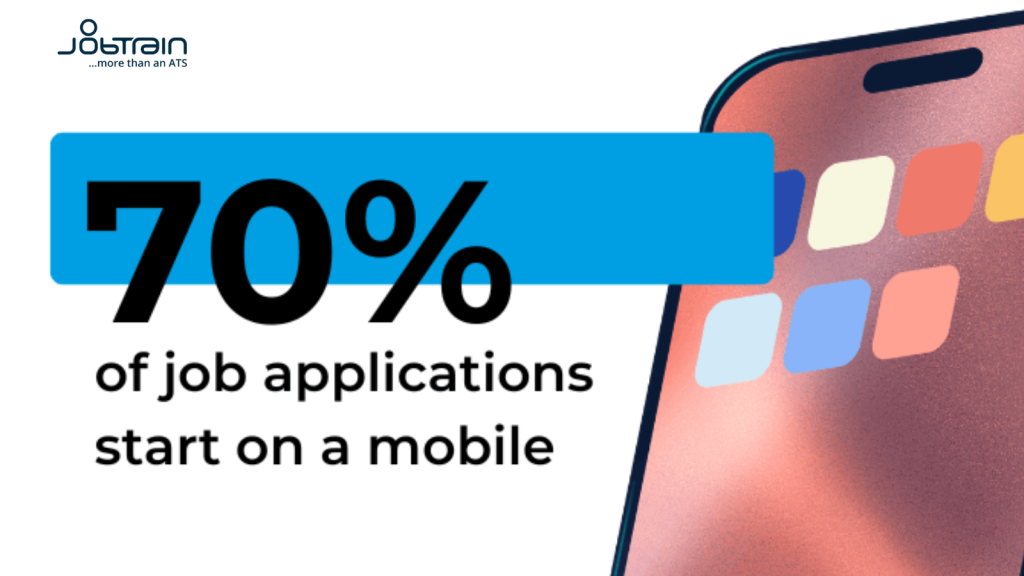
- ATS technology is a differentiator: streamlining the candidate journey—mobile-first applications, quick screening questions, and fast communication—makes it more likely that you’ll secure applicants before they move on.
Salary transparency is no longer optional
In 2025, candidates are demanding more upfront clarity. 83% of jobseekers say they won’t apply if salary isn’t listed. This is even more pronounced in care, where salary competition is fierce and many workers juggle multiple offers.
For care recruitment, this signals a pressing need to:
- Publish salary bands openly, even if pay flexibility exists.
- Benchmark against local competition to avoid falling behind.
- Highlight additional benefits—pension schemes, training, wellbeing support—that go beyond base pay.
By being transparent, employers not only increase applications but also reduce dropouts later in the hiring process.

Flexibility is a deal-breaker
Flexibility has moved from being a nice-to-have to a deciding factor in whether candidates apply. While remote work is less relevant in frontline care roles, scheduling flexibility is highly valued. Our research shows that over 60% of candidates prioritise flexible shifts when choosing between employers.
Care recruiters who highlight options such as:
- Split shifts or compressed hours
- Predictable rotas published well in advance
- Opportunities for part-time or job-sharing arrangements
…are more likely to attract and retain staff who need to balance work with family or personal responsibilities.
The rise of values-driven candidates
Perhaps the most significant change is how jobseekers are weighing employer values and culture. In care, this couldn’t be more relevant. Our report found that 52% of candidates say they wouldn’t apply to an organisation whose values don’t align with their own.
For care employers, this is an opportunity to stand out. Candidates are looking for employers who:
- Demonstrate respect for staff wellbeing
- Commit to diversity and inclusion
- Show genuine passion for quality of care
By weaving these values into job adverts, careers pages, and the interview process, care providers can appeal to candidates who want more than just a payslip—they want purpose.
The role of technology in care recruitment
The Candidate Insights Report also highlights a growing divide between employers who leverage recruitment technology and those who don’t. Candidates now expect:
- Instant acknowledgement of applications
- Timely updates throughout the process
- User-friendly, mobile-first experiences
In a sector where many workers apply via smartphones, slow or outdated systems create unnecessary barriers. For care recruiters, adopting modern applicant tracking systems (ATS) is no longer about efficiency—it’s about survival in a competitive market.
What care recruiters can do now
Based on our findings, here are five actions care hiring managers can take today:
- Audit your job ads: Are they clear, compelling, and upfront about pay?
- Review your application process: How long does it take to apply, and could candidates do it easily on a mobile?
- Highlight flexibility creatively: Make shift options visible in job postings.
- Showcase your values: Share stories of staff progression, wellbeing initiatives, or community impact.
- Communicate quickly: Acknowledge applications within 24 hours and keep candidates informed.
Why this matters for the care sector
Care recruitment isn’t just about filling vacancies—it’s about building trust with candidates who want to know their work will be valued. In a sector where burnout and turnover are high, attracting the right people and keeping them engaged is crucial.
By understanding and responding to the changes outlined in the Candidate Insights Market Report, care providers can not only improve application numbers but also strengthen retention and build long-term workforce stability.
Download the full report
This article has covered just a snapshot of the findings. For a deeper look at the latest jobseeker behaviours—including industry comparisons, data breakdowns, and practical recommendations—download the full Candidate Insights Market Report (Q3 2025).


Comments
Login/Register to leave a comment