


Nutrition and Hydration Week highlights the vital role that food and drink play in supporting the health, wellbeing and quality of life of people receiving care.
For residents living with dysphagia — swallowing difficulties — this role becomes even more critical. Dysphagia is associated with increased risks of malnutrition, dehydration, aspiration and hospital admission. Safe and appropriate food provision is therefore an essential part of good care.
Over the past decade the care sector has made significant progress in recognising these risks. Clinical guidance has strengthened, awareness has increased and the International Dysphagia Diet Standardisation Initiative (IDDSI) framework has created a global standard for describing texture-modified foods and drinks.
However, an important challenge remains.
How can care organisations ensure that dysphagia guidance is implemented consistently in everyday practice?
Increasingly, this question is not simply about kitchen technique — it is about the systems that support food provision across the organisation.
When guidance reaches the kitchen
In most care organisations the clinical pathway for dysphagia is well established. Residents are assessed by speech and language therapists and recommendations are made for appropriate food and drink textures.
Once those recommendations reach the kitchen, however, the responsibility for delivering them consistently usually rests with catering teams.
Preparing texture-modified meals that meet IDDSI requirements is not simply a matter of blending or softening food. Each level has specific physical characteristics, and foods must reliably meet those characteristics to ensure they are safe to swallow.
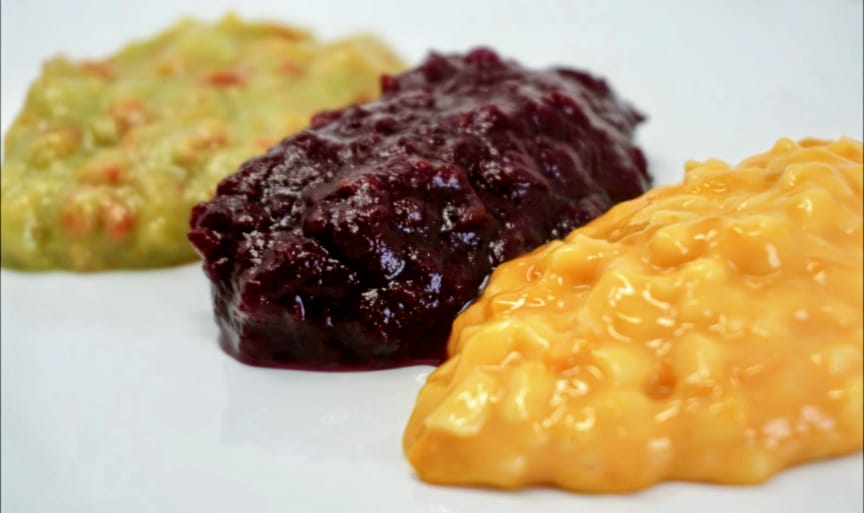
At the same time, meals must remain nutritionally balanced, appetising and recognisable. Residents should not lose the enjoyment of food simply because their swallowing ability has changed.
For many kitchens this can be difficult to achieve consistently, particularly where catering teams have not received structured training in dysphagia food production.
The result is often variation. Some meals are excellent, while others fall short — not because staff lack commitment, but because the operational systems supporting them are not fully developed.
This is why dysphagia food provision is increasingly being recognised as an organisational systems issue, rather than simply a matter of individual kitchen skill.
A growing governance responsibility
Regulators and commissioners are also paying closer attention to how nutrition and hydration needs are met in care.
In England, the Care Quality Commission expects providers to demonstrate that people receive appropriate nutrition and hydration and that individual dietary needs are supported safely and inclusively.
For residents requiring modified diets, this means organisations must be able to show that meals are not only available but are appropriate, safe and consistently delivered.
Where food modification relies largely on informal knowledge or improvised preparation methods, this can be difficult to evidence.
As a result, many providers are now beginning to look more closely at the systems that sit behind dysphagia food provision, including training, menu design and validation processes.
Four innovations improving dysphagia food provision in care
Several developments in recent years are helping care providers address these challenges more effectively.
Together, these innovations are shifting dysphagia food provision from an improvised kitchen task to a more structured and reliable foodservice process.
1.Workforce competency frameworks
One important innovation has been the development of clearer frameworks describing workforce capability.
The Eating, Drinking and Swallowing Competency Framework (EDSCF) provides a structured way of defining the knowledge and skills required across the workforce to support people with eating, drinking and swallowing needs.
Importantly, the framework recognises that dysphagia care is not the responsibility of one professional group alone. It spans a wide range of roles including care staff, catering teams, nurses and allied health professionals.
Alongside the framework, training resources have been developed that map directly to these competencies, helping organisations turn guidance into practical workforce capability.
When care and catering teams understand the purpose of texture modification, the risks of incorrect textures and the methods used to prepare and validate modified foods, consistency improves significantly.
This shared understanding also strengthens communication between clinical teams, care staff and kitchens — an essential element of safe dysphagia care.
2. Reasoning frameworks for recipe modification
Another important development has been the emergence of reasoning frameworks that support the safe modification of everyday recipes.
Historically, many kitchens approached dysphagia meals by creating separate recipes specifically designed for individual texture levels. While effective in some circumstances, this can limit menu choice and place additional pressure on catering teams.
More recently, structured approaches have been developed that focus on understanding the characteristics that determine food texture and how these can be adjusted safely.
Using these frameworks, kitchens can work from their existing recipes and apply clear modification principles to achieve the required IDDSI levels. The final product can then be validated using recognised IDDSI testing methods.
This approach allows organisations to maintain familiar menus while ensuring that meals prepared for residents with dysphagia remain safe, nutritionally appropriate and recognisable.
Just as importantly, it replaces improvisation with structured reasoning and validation, improving consistency across the kitchen.
3. Menu design that supports modification
Another innovation is the growing recognition that dysphagia should be considered during menu design, rather than only during food preparation.
By designing menus with clear modification pathways in mind, kitchens can ensure that dishes selected for the menu can be adapted reliably across different texture levels.
This allows the identity and flavour of the original dish to be maintained while ensuring that modified versions remain safe and appealing.
It also reduces the need for last-minute improvisation during busy service periods and helps organisations maintain inclusive menus where residents receiving modified diets can enjoy the same meals as others.
4. Integrated foodservice systems
Perhaps the most important learning is that these developments are most effective when they are brought together.
Training alone cannot guarantee safe food production if kitchens lack structured methods for modifying recipes. Recipes alone cannot solve the problem if staff do not understand how to prepare and validate them. Menu planning must also align with the practical capabilities of the kitchen.
When organisations bring together training, reasoning frameworks, menu design and validation processes, dysphagia food provision becomes far more reliable.
Supporting dignity as well as safety
While safety is essential, it is important to remember the human side of this issue.
Food plays a central role in daily life. For many residents, mealtimes provide comfort, familiarity and social connection.
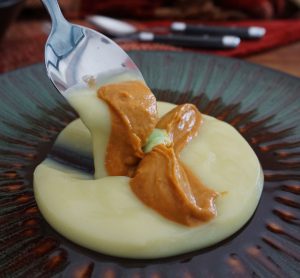
When texture-modified meals are prepared thoughtfully — retaining flavour, colour and recognisable form — residents can continue to enjoy familiar foods while receiving the support they need to eat safely.
Improving the systems behind dysphagia food provision therefore supports not only safety, but also dignity and quality of life.
A shared opportunity for the sector
Nutrition and Hydration Week provides an opportunity to reflect on the progress the sector has made.
Awareness of dysphagia has increased significantly, and the development of shared standards such as IDDSI has been an important step forward.
The next stage of improvement lies in ensuring that the operational systems supporting food production are strong enough to deliver those standards consistently.
By investing in training, structured approaches to recipe modification and thoughtful menu design, care providers can move beyond awareness and towards reliable implementation.
For residents living with dysphagia, that progress can make a profound difference.
For further information contact Oak House Kitchen at:
info@oakhouse-kitchen.com

Comments
Login/Register to leave a comment