


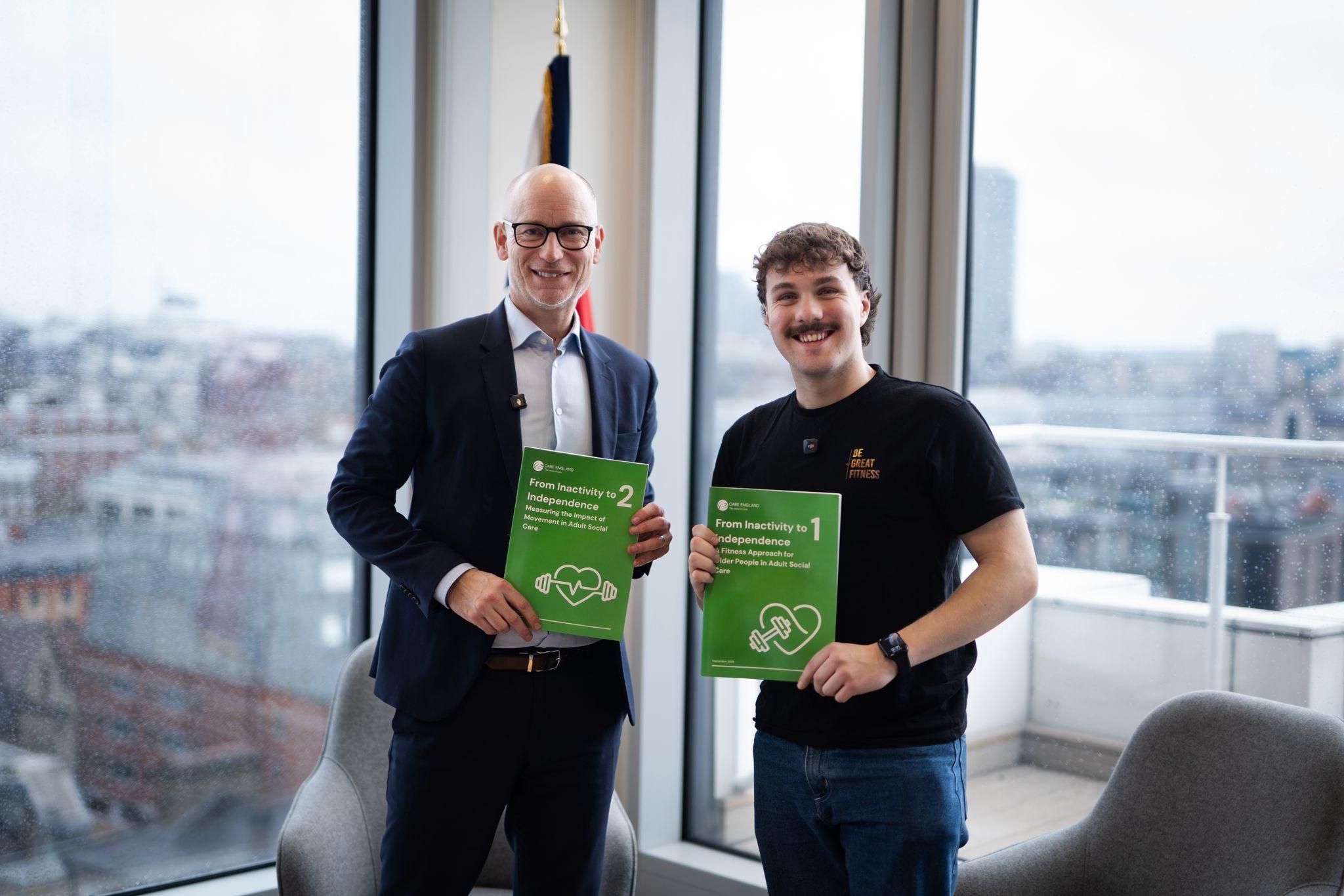
 The Hon. Stephen Kinnock MP, Minister for Care and Bailey Greetham Clark, Be Great Fitness
As the needs of older people continue to evolve, movement is increasingly recognised as a core part of high-quality care. Rising levels of frailty, dementia, and long-term conditions mean that traditional approaches must adapt to support independence, wellbeing, and healthier ageing.
Care England’s fitness and movement work brings together research, real-world case studies, and practical delivery models that demonstrate how structured physical activity can transform outcomes for residents, support care teams, and strengthen collaboration across health and social care. Delivered in partnership with Be Great Fitness, a specialist provider of inclusive, adaptable exercise programmes for older adults, this work highlights how movement can be safely embedded into everyday care practice.
This page brings together both From Inactivity to Independence series, highlighting how inclusive, personalised movement programmes can change trajectories and place prevention at the heart of adult social care.
Why movement matters
Movement is one of the most powerful and underused tools available within care settings. When activity is embedded into daily routines — rather than treated as an optional extra it can:
- Support strength, balance, and mobility
- Improve mood, engagement, and social connection
- Reduce behavioural distress and functional decline
- Help stabilise routines such as sleep and nutrition
- Create calmer, safer environments for staff and residents
Across both reports, the evidence shows that structured, low-impact activity can benefit individuals living with dementia, advanced frailty, and complex health needs.
Explore our reports from the Inactivity to Independence series:
A Fitness Approach for Older People in Adult Social Care
This first report explores how inclusive and adaptive exercise programmes can transform the experience of care for residents and staff. It highlights innovative approaches to movement, showing how even simple, seated activities can rebuild confidence, encourage participation, and reduce isolation.
Through real-life stories and sector insights, the report demonstrates how exercise can be embedded into everyday care to improve wellbeing while supporting workforce development.
👉 Read the full report and press release here
Measuring the Impact of Movement in Adult Social Care
The second report builds on this work by examining the measurable impact of structured, personalised movement programmes across multiple care settings. Case studies show residents improving mobility, stability, behaviour, and engagement — often without changes to medication.
The findings highlight how collaborative working between care providers, fitness specialists, and NHS partners can support falls prevention, reablement, and healthy ageing, while creating more predictable and positive care environments.
👉 Read the full report and press release here
Supporting a movement-led future
Together, these reports make a clear case: physical activity should be recognised as a core component of care, not an optional leisure activity. By embedding movement into daily routines and investing in workforce training and collaboration, adult social care can support people to live with greater independence, dignity, and connection.
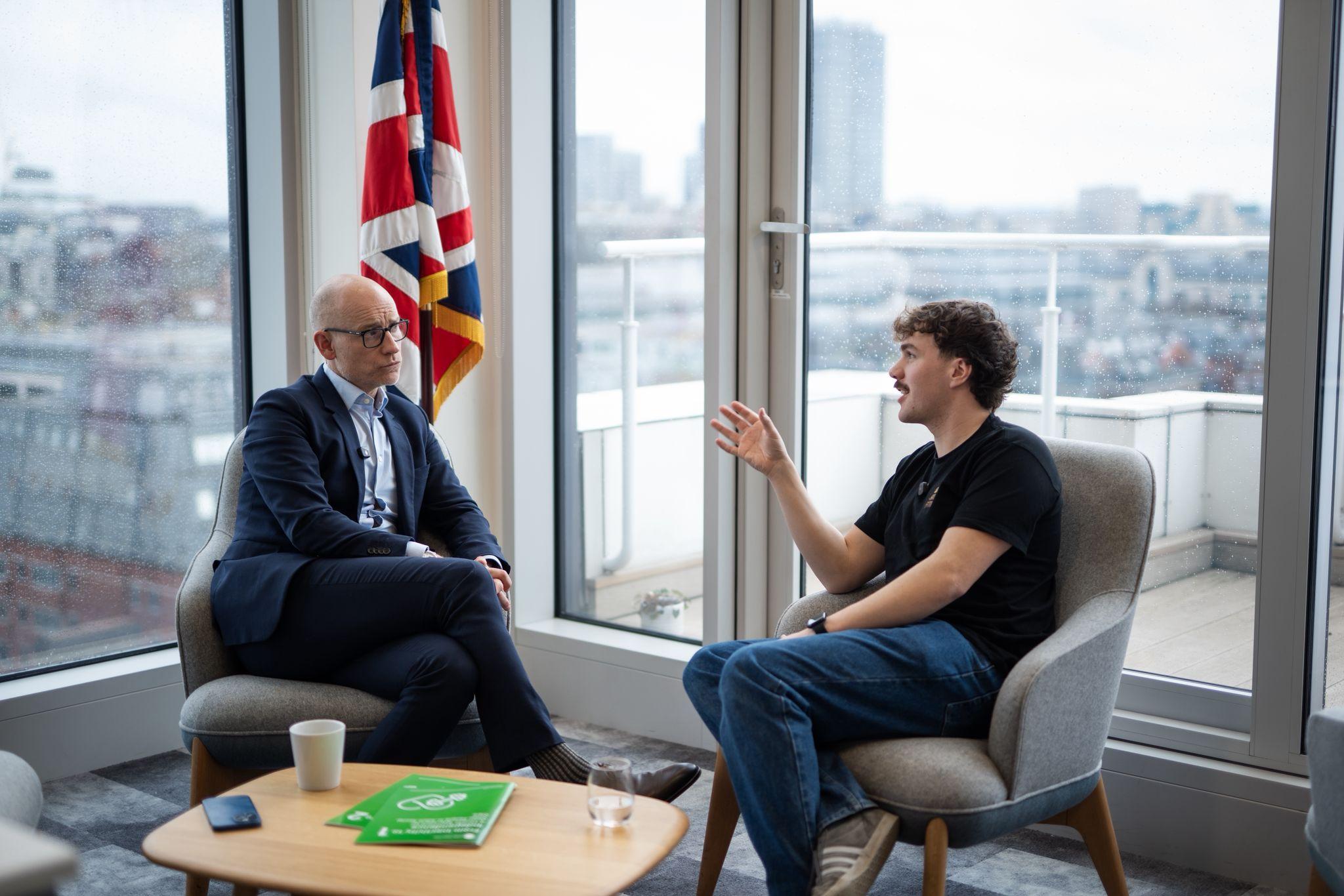
See the Minister Kinnock interview here


Comments
Login/Register to leave a comment