

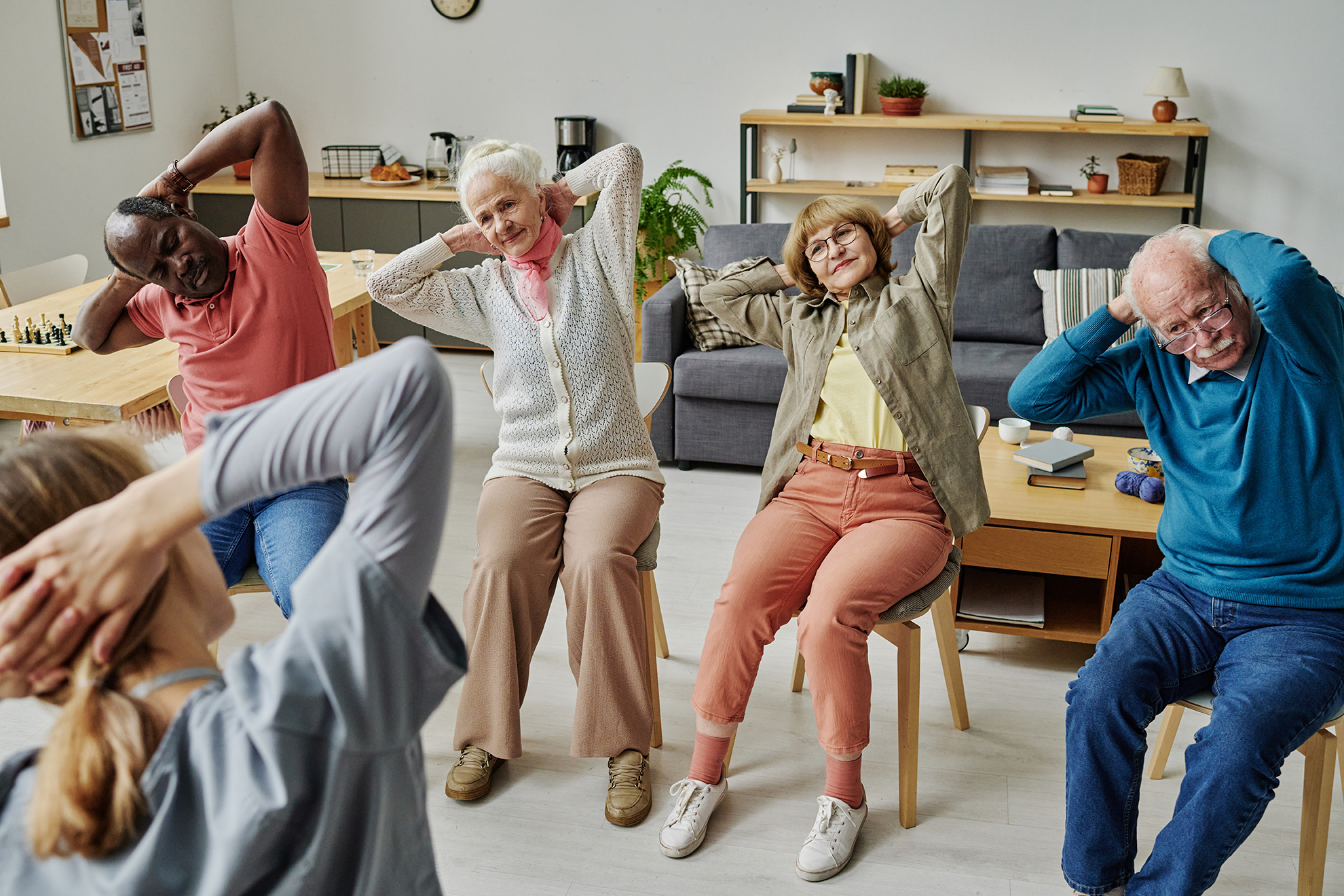

Unlocking the Untapped Power of Physical Activity in Care Homes
Introduction: A Story We Must Change
Walk into almost any care home today, and you will see warm, dedicated staff, comfortable lounges, and the hum of daily life. But often, you will also see residents sitting for long hours. Not because they want to, but because movement has gradually slipped from their routines. And with that inactivity comes a silent cost: declining physical health, deconditioning, pressure issues, loneliness, falls, and infections, resulting in rising dependency and cognitive decline.
This isn’t an inevitable part of ageing, it’s a problem we can solve. And the solution is simple: movement. Even modest, well-designed physical activity programmes can transform lives, relieve pressure on care staff, and deliver financial savings.
Movement is free. And it works…!
Why This Matters: The Demographic Reality
By 2050, nearly one in four people in the UK will be aged 65 or over. Across Europe, the fastest growing group are the “oldest old” – those aged 85+ (EUROSTAT, 2020). Yet while we are living longer, many of these years are spent living with disabilities, frailty, or chronic illness (AAC Evaluation Report, 2022). Functional decline leads to increased demand on care services, greater demands on the workforce, and soaring costs.
Research consistently shows that physical activity can dramatically change this trajectory, even for those already living with dementia, frailty, or multiple chronic conditions.
A Growing Body of Evidence
Physical Benefits
- Falls and Mobility: Structured strength, balance, and gait training reduces fall risk, which remains one of the greatest causes of injury and hospitalisation for care home residents (PAHA Good Practice Guide, 2016).
- Urinary Incontinence and UTIs: Studies show that pelvic floor exercises can reduce incontinence episodes by half and lower urinary tract infection risk (PMC3797893).
- Chronic Conditions: Diabetes, cardiovascular disease, cancer, osteoporosis, and arthritis all respond positively to regular physical activity (PAHA Guide, 2016).
- Pressure Ulcers: Increased mobility improves circulation and tissue health, lowering the risk of pressure ulcers (NICE Guidelines).
Cognitive and Emotional Benefits
- Dementia & Alzheimer’s: A growing body of research shows exercise slows cognitive decline, enhances neuroplasticity, and can delay dementia onset by up to 18 months (MDPI, 2021; BMC Geriatrics, 2020; The Guardian, 2024; Washington Post, 2025).
- Mental Health: Regular movement reduces depression, anxiety, and loneliness, all common experiences in care settings (AAC IO4 GPG, 2022).
- Social Connection: Group activities foster friendships, peer support, and belonging, improving quality of life.
Real-World Success: Active Ageing Communities (AAC) and Physical Activity and Health in Ageing (PAHA) Programmes
The AAC programme, across six European countries, demonstrated:
- Improved mobility (SPPB scores rose by 0.67 points)
- Increased walking speed (+0.11 m/s)
- Reduction in social isolation
- 90% retention after six months (AAC Evaluation Report, 2022)
The PAHA project showed that even previously inactive adults gained rapid health benefits through structured 6-week interventions, with retention rates up to 96% (PAHA Good Practice Guide, 2016).
The Financial and Operational Impact for Care Homes and the NHS
Introducing structured physical activity into residential and nursing care settings is hugely valuable to the individual and increases both dignity and quality of life and delivers both operational efficiencies for providers and significant cost savings to the wider health system. While many clinical costs (such as hospital admissions, medication, and treatment) fall directly to the NHS, exercise-led prevention also reduces the daily care burdens within the care home itself.
The following estimates are based on a typical 50-bed residential or nursing care home. Actual figures will vary by setting, resident profile, and region, but provide a credible illustration of scale.
Impact Area |
NHS Saving |
Care Home Operational Saving |
| Falls & fractures | £35,000 annually (avoided hospitalisation) | Reduced care complexity: quicker recovery, fewer 1:1 supervisions |
| Pressure ulcers | £50,000 annually (treatment costs) | Lower nursing hours for wound care, fewer regulatory risks |
| Urinary Tract Infections (UTIs) | £24,000 annually (reduced admissions) | Less staff time for infection management |
| Medication reductions | £10,000 – £15,000 (NHS prescribing savings) | Reduced medication administration time, fewer side effects requiring staff input |
| Staff absenteeism & turnover | £20,000 – £30,000 through better retention and lower sickness absence |
*Total Estimated Savings
- To the NHS: £119,000+ annually
- To the care home: £25,000 – £30,000 annually in direct operational savings
Wider Benefits for Care Homes Include:
- Reduced dependency levels leading to more stable staffing ratios.
- Improved CQC inspection outcomes through better wellbeing indicators.
- Enhanced staff morale from working with more engaged, independent residents.
- Stronger commercial reputation attracting new private clients.
Wider Benefits for the NHS Include:
- Reduced emergency admissions.
- Lower prescribing costs.
- Reduced hospital length of stay and delayed transfers of care.
- Less demand on community services.
*Important: These are conservative estimates based on available data (NICE, NHS Improvement, Skills for Care, PAHA, AAC Evaluation Reports) and should be viewed as indicative financial models.
From Theory to Practice: How to Build Successful Programmes
The evidence is clear, but success depends on programme design:
- Education & Awareness: Empower residents, staff and families to engage.
- Social Engagement: Group formats build motivation and enjoyment.
- Progressive Design: Start gently and build towards strength, balance, mobility, and endurance.
- Behavioural Support: Address psychological barriers to long-term adherence.
- Professional Expertise: Exercise delivery must be led by fully trained and qualified instructors.
The Role of Professional Leadership
Proper delivery of physical activity requires specialist expertise:
- Maximum value may be derived by programmes designed and led by CIMSPA registered professionals (CIMSPA).
- Providers such as Be Great Fitness (Be Great Fitness) deliver safe, evidence-led active ageing programmes.
- Ongoing staff training ensures activity becomes embedded in care culture.
Case Study – Introducing Bramley Court
Bramley Court, part of the Carebase Group, is a residential and nursing home in Cambridgeshire and has become a flagship for what’s possible when movement and wellbeing become a core part of daily life.
Outstanding CQC Rating & Standing
- Bramley Court is proudly rated Outstanding by the Care Quality Commission (last inspection: 24 May 2023, report published 10 June 2023) placing it in the top 5% of English care homes
Home Capacity & Facilities
- The home accommodates up to 72 residents, with 67 people living there at the time of the last inspection
- Extensive amenities include a gym, cinema, salon, bar, bistro, sensory gardens, which are designed to encourage movement, socialisation, and reminiscence
Dedicated Activity Programme
- Bramley Court’s lifestyle team delivers a varied, personalised activity programme, from seated exercise, Pilates, Zumba and tai chi classes, to swimming, rambling, gardening, arts, live music, intergenerational sessions, outings to local attractions, and community partnerships
Engagement & Community Integration
- Residents participate in regular day trips around Cambridgeshire and beyond, plus intergenerational activities with local early years children.
- The Bramley Village concept, comprising familiar community features like cafés, a shop, a tool shed, supports autonomy and community feeling.
Bramley Court’s Philosophy on Activity
Bramley Court doesn’t treat activity as an “extra”, it is central to the home’s culture. With tailored programmes designed around residents’ abilities, preferences, and needs, physical movement is woven into every part of life at Bramley. This isn’t just about exercise, it’s about purpose, connection, and joy.
Activities range from seated strength work and balance classes to dancing, gardening, games ,and group walks. Staff are trained to promote spontaneous movement during care routines and mealtimes. Families are encouraged to get involved. And outcomes are tracked carefully, not just anecdotally, but through wellbeing scores, fall rates, and resident feedback.
A Word from Judith Wroe, Home Manager
“Activity programmes stimulate residents’ minds, supporting in keeping them active for longer, reducing falls by strengthening their bodies. This supports external services being riled up for others, reducing the need for other professionals, hospitalization and promoting independence. Additionally, it also lowers reliance on team members, which gives them time to do more mindful activities. Staff are able to take part alongside our residents, creating an atmosphere for supporting and encouraging each other. Residents are more stable for longer, promoting their independence and guiding staff more time to do less task focused activity.”
A Word from Carol Morgan, Team Leader
“It is life-changing, our society is so ageist. We know that whatever our age, exercise is vital for our overall wellbeing. People have run marathons at 100 years old. Whatever people’s abilities are, they can improve health levels, develop muscles, core strength etc. Associated benefits are sense of community, friendships, increased confidence and sense for life. The exercise helps people live their best lives. We never exclude anyone, even wheelchair users go to Zumba and love it! Exercise is offered 6 days a week at Bramley with some people joining in all 6 times within the week. I am inspired and motivated by people that continue to exceed and support to motivate others. They are an inspiration and I’m so proud of them!”
What is the real impact?
In order to gain a better understanding of how activity has impacted the lives of residents, staff and family members we asked Bramley Court to conduct interview asking a number of questions.
Resident Reflections: What Activity Means to Me
We asked residents to tell us how taking part in activities has affected their lives. Here’s what they shared:
Residents spoke warmly about how activities have enhanced their physical health, confidence, and sense of belonging. Many noticed improvements in mobility, flexibility, and strength, while others highlighted increased motivation, social connections, and emotional wellbeing.
Favourite activities ranged from group exercise and walking to Zumba, swimming, Pilates, boxing, and even skittles.
“I’ve become more mobile; my limbs are more flexible and less painful.” – Stuart Howell, Resident
“If I do them regularly it makes me feel fitter.” – Thor Strommen, Resident
“It could improve your condition; regular exercise helps my dodgy knees.” – Victor O’Connell, Resident
“Joining in classes has helped make new friends.” – Gillian (Susan) Misson, Resident
“Do it while you can.” – May Brown, Resident
“Well, I’m 94, so you need to just do it.” – Mary Massey, Resident
“If you don’t use it, you lose it.” – Roger (Lou) Matthews, Resident
“Give it a bloomin’ go!” – Marjorie Banyard, Resident
For many, activities are as much about the joy of moving as they are about the camaraderie:
“Because we talk and help each other and support each other.” – Linda Barker, Resident
“The comradeship is good because people who are not as able as me can look up to me.” – Phil Christal, Resident
Reported Benefits – Residents
- Improved mobility, flexibility, and reduction in pain.
- Increased physical fitness, strength, and stamina.
- Help in managing or improving health conditions (e.g., knee problems).
- Recovery of mobility and independence after illness or immobility.
- Boost in confidence and self-assurance.
- Enjoyment and fun from participating in activities.
- Increased motivation to stay active.
- Greater social connection through meeting new people, strengthening friendships, and sharing group experiences.
- Sense of achievement from taking part in and completing activities.
Staff Perspective: How Activity Has Changed Lives
We asked staff two simple questions:
- How has the activity programme changed the lives of residents?
- How has it changed your experience as a member of staff?
Staff at Bramley Court have seen first-hand the transformative impact of the activity programme – not only for residents but for themselves. They described improved mobility, independence, mental health, and confidence among residents, alongside a boost in social connection and quality of life.
“Sometimes residents come to us unable to walk… with regular exercise they have been able to maintain independence and improve their quality of life.” – Teresa Paskelev, Staff
“So many residents have become mobile after a period of immobility. It has given them a zest for life.” – Lois Read, Wellbeing Coordinator
“I have seen some massive changes with residents’ confidence… it improves their quality of life and their sense of worth.” – Sharon Scott, Lifestyles Exercise Champion
Several staff also noted the personal benefits:
“I have also benefitted… maintaining a more active lifestyle… improving my moods and sleeping, boosting my energy levels.” – Teresa Paskelev, Staff
“I also get motivated to do the exercises as well!” – Staff Member 1
Reported Benefits – Staff
Benefits for Residents (as observed by staff)
- Recovery of mobility and physical strength.
- Maintenance of independence and reduced reliance on staff.
- Greater stability, balance, and reduced risk of falls.
- Improved confidence, self-worth, and determination.
- Increased social interaction, friendships, and community spirit.
- Enhanced mood, wellbeing, and overall quality of life.
- Engagement in a wide variety of activities suited to individual preferences.
Benefits to Staff Themselves
- Improved own physical health, energy levels, and stamina.
- Enhanced mental health, mood, and sleep.
- Personal motivation to be more active.
- Pride, satisfaction, and positive energy from supporting residents’ progress.
- Opportunities to participate in activities alongside residents, fostering connection and team spirit.
Family Perspectives: What We’ve Noticed
We asked family members to reflect on the impact the activity programme has had on their loved ones. Their feedback was heartfelt and encouraging:
Family members reported having seen marked improvements in their loved ones’ health, mood, and engagement since joining the activity programme. From swimming to walking groups, activities have rekindled confidence and joy.
“Balanced and purposeful… this gives him much more confidence.” – Family Member 1
“It definitely helps with her confidence and bond to who she is with at the time.” – Family Member 2
“Dad is definitely doing much more than he was when at home.” – Family Member 1
“There is a good mix of activities and Virginia enjoys most of them.” – Neil Tunningley (Virginia’s husband)
“The fact that there are lots of things happening makes a richer living environment.” – Ray Perkins (Morna Perkins’ husband)
“The approach to activities… is essential.” – Family Member 3
Reported Benefits – Family Members
- Increased activity levels and improved physical fitness of loved ones.
- Enhanced mood, positivity, and mental wellbeing.
- Greater confidence and reconnection to self.
- More social engagement and participation in meaningful activities.
- Improved quality of life described as “transformational” or “balanced and purposeful.”
- Variety and regularity of activities contributing to a richer living environment.
- Appreciation for staff encouragement, inclusivity, and enthusiasm.
Summary of the Bramley Court Approach
At Bramley Court, regular physical activity is doing far more than improving fitness, it’s transforming lives.
Residents are regaining confidence, forming new friendships, and rediscovering independence through movement. From Zumba to walking groups, care home residents are proving that you’re never too old to get active. Staff report seeing improved mood, strength, and resilience in their residents, while families describe the impact as “transformational.”
As one resident put it best: “If you don’t use it, you lose it.”
An Opportunity We Cannot Ignore
Activity in care homes is not a luxury. It’s essential care.
The case of Bramley Court shows what’s possible when movement becomes embedded in everyday life, residents thrive, staff flourish, and systems benefit. This isn’t theoretical. It’s happening now. And it can happen everywhere.
The evidence is there. The case is clear. The time is now.
Movement is free…and it works!
For further information on how activity can benefit residents, view our white paper
‘From Inactivity to Independence: A Fitness Approach for Older People in Adult Social Care’

Full References:
- Bramley Court Care Home: https://bramleycourtcarehome.co.uk/
- EUROSTAT 2020: https://ec.europa.eu/eurostat/statistics-explained/index.php?title=Population_structure_and_ageing
- AAC Evaluation Report 2022: https://ec.europa.eu/programmes/erasmus-plus/project-result-content/eefc86d0-774e-4eec-969b-e2b60e99a28e/AAC_IO3_Programme_Evaluation_Report.pdf
- PAHA Good Practice Guide 2016: https://munideporte.com/imagenes/noticias/ficheros/01D73441.pdf
- NICE Pressure Ulcers Guidelines: https://www.nice.org.uk/guidance/cg179
- PMC3797893: https://www.ncbi.nlm.nih.gov/pmc/articles/PMC3797893/
- MDPI (2021): https://www.mdpi.com/2308-3417/9/4/98
- BMC Geriatrics (2020): https://bmcgeriatr.biomedcentral.com/articles/10.1186/s12877-020-01938-5
- The Guardian (2024): https://www.theguardian.com/society/2024/nov/19/physical-fitness-can-lower-risk-of-dementia-research-finds
- Washington Post (2025): https://www.washingtonpost.com/opinions/2025/06/10/dementia-prevention-research-studies/
- AAC IO4 GPG (2022): https://www.europeactive.eu/sites/europeactive.eu/files/projects/AAC_IO4_GPG_draft_v4.pdf
- CIMSPA: https://www.cimspa.co.uk/
- Be Great Fitness: https://begreatfitness.org/

Comments
Login/Register to leave a comment